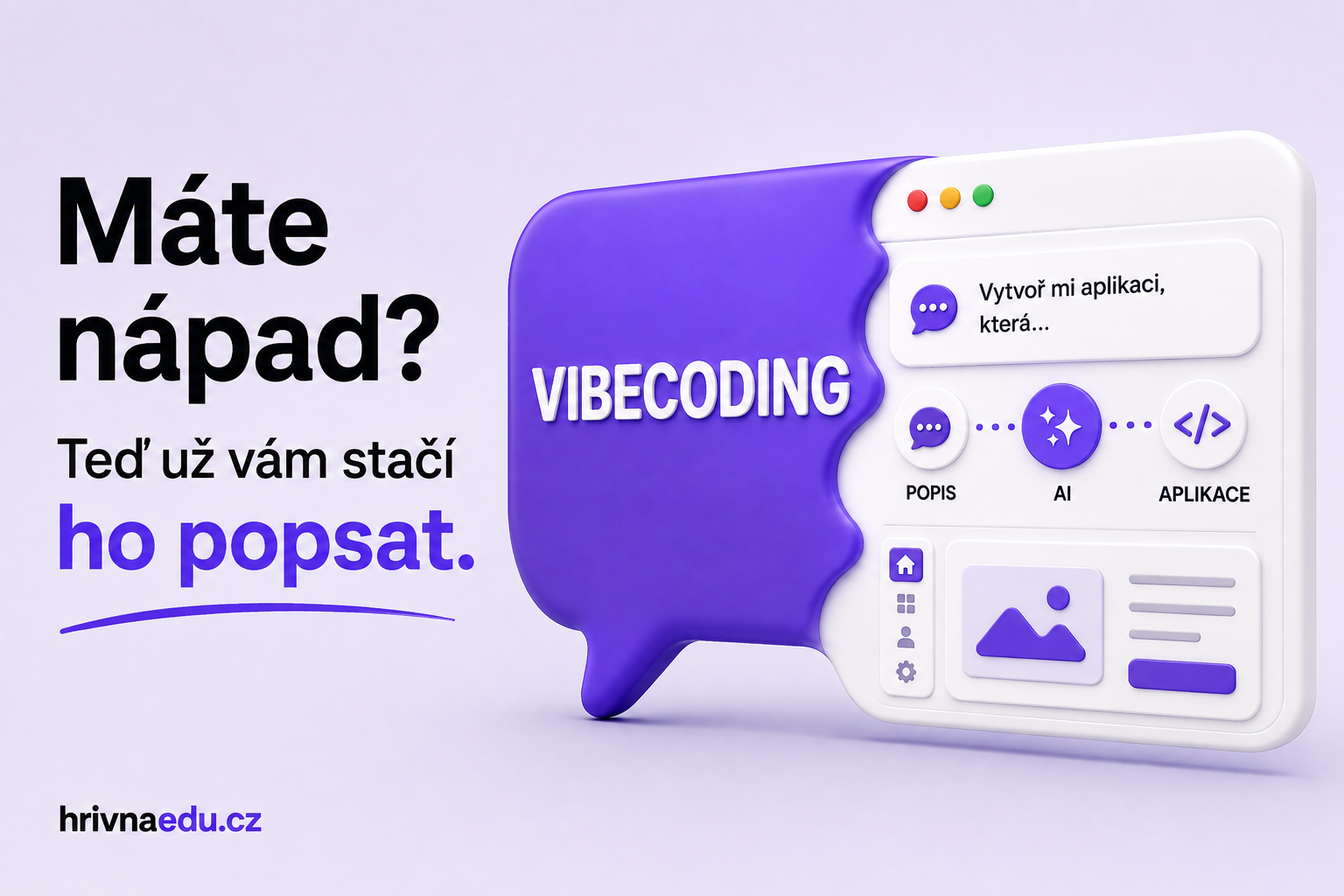
Slovo vibecoding pustil do světa před rokem a půl Andrej Karpathy, jeden z lidí, kteří stáli u zrodu OpenAI. Popsal jím způsob práce, při kterém programátor přestane řešit samotný kód a jen popisuje, co chce, a AI píše. Prostě se poddáte tomu, jak to cítíte, a zbytek nechte na modelu.
Znělo to jako interní vtip pro vývojáře. Jenže největší dopad to nakonec má na lidi, kteří programovat neumí vůbec. Hlavně na ty, kteří přesně vědí, co chtějí. Jen to nikde nesehnali. Nebo by je programátor vyšel dráž, než jim to celé stálo za to. Účetní, která si nechá postavit nástroj na kontrolu faktur přesně podle svého postupu. Majitel penzionu, který má do večera rezervační formulář takový, jaký ho vždycky chtěl. Nikdo z nich nenapsal řádku kódu.
Co ukazuje výzkum
Průzkum, který letos v květnu provedl web AllAboutCookies mezi tisícovkou dospělých Američanů, ukázal zajímavý rozpor. O vibecodingu slyšelo 57 procent lidí, ale zkusilo ho jen 13 procent. A něco si s AI opravdu postavit, ať už aplikaci, nástroj nebo automatizaci, se povedlo devíti procentům.
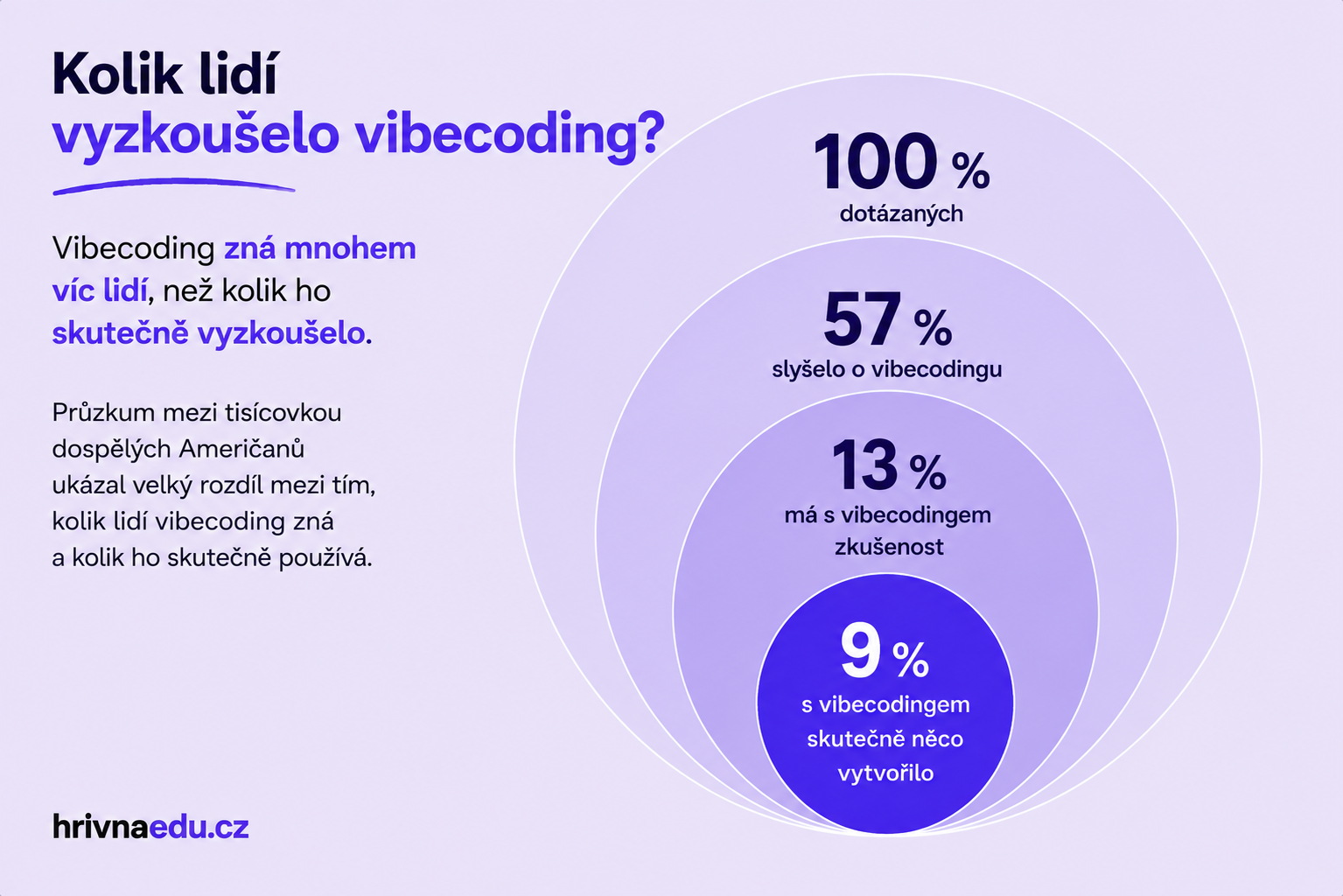
Ta mezera mezi 57 a 13 procenty je podle mě nejzajímavější číslo průzkumu. Mluví se o tom mnohem víc, než se s tím pracuje.
U vývojářů je to jiný svět. Podle posledního Stack Overflow Developer Survey, tedy největší ankety mezi programátory na světě, jich 84 procent AI nástroje používá nebo to plánuje. Tam už to dávno není trend, ale standard.
A jak jsme na tom v Česku? To vám bohužel neřeknu, protože to u nás nikdo neměří. Podle letošního průzkumu Deloitte používá AI aspoň občas 78 procent Čechů, ale kolik z nich si nechalo postavit vlastní aplikaci, netuší nikdo.
Můžu tak nabídnout jen svoji vlastní zkušenost. Já jsem začal variací na Snake. Hada si spolu s Tetrisem odpracuje na vysoké škole skoro každý, kdo prošel kolem programování. Jenže tam nad ním strávíte několik večerů. Postavit si vlastní obdobu za pět minut je docela jiný zážitek. A nebavilo mě, že to AI zvládla. Bavilo mě, že ta hra byla přesně taková, jakou jsem ji chtěl mít.
Čím si aplikaci postavíte
Nástrojů je dnes spousta a dají se rozdělit na dvě skupiny.
První běží v prohlížeči a míří na lidi bez technického vzdělání. Napíšete, co chcete, a za pár minut se díváte na fungující stránku nebo aplikaci. Patří sem hlavně Lovable a Bolt, oba mají verzi zdarma, kterou si vyzkoušíte za odpoledne. Tohle je místo, kde začít.
Druhá skupina žije v editoru kódu nebo rovnou v příkazové řádce a předpokládá, že aspoň tušíte, co se děje pod kapotou. Nejrozšířenější je Cursor, vedle něj Claude Code, GitHub Copilot nebo Windsurf. Ceny startují zhruba na deseti dolarech měsíčně.
Nástroje v prohlížeči jsou skvělé, dokud chcete něco běžného. Jakmile se zadání vymkne z řady, narazíte na strop.
Druhá strana mince
Izraelská bezpečnostní firma RedAccess letos na jaře prošla přes 380 tisíc veřejně dostupných aplikací postavených tímhle způsobem. O jejích zjištěních informoval server Axios. Zhruba pět tisíc z nich mělo venku citlivá data. Zdravotnické záznamy včetně rozhovorů s pacienty, interní bankovní informace, detaily klinických studií. Tvůrci většinou netušili, že je má přístupné komukoli s odkazem.
Není to selhání jednoho konkrétního nástroje. AI udělá přesně to, oč jste ji požádali, ale nezeptá se, kdo to má vidět.
Potvrzuje to i pohled samotných vývojářů. Ve zmíněném Stack Overflow Developer Survey uvádí jen tři procenta z nich, že kódu od AI opravdu věří. Dvě třetiny nejvíc štve výsledek, který je „skoro správně, ale ne úplně". A skoro polovinu z nich zdržuje, že ladění kódu od AI je časově náročné.
A je tu ještě jedna past, na kterou jsem narazil nedávno na LinkedInu. Nejhorší je pustit AI na něco, čemu sami pořádně nerozumíte. Výstup působí sebejistě vždycky, jenže u AI není otázka, jestli udělá chybu, ale kdy. A pokud v té oblasti nejste doma, nemáte ji čím poznat. Běžná námitka zní, že AI odvede osmdesát procent práce dobře, takže to stačí. Jenže co když je to čtyřicet? Kdo neumí posoudit výsledek, neumí posoudit ani tohle číslo.
Kde je hranice
Z toho plyne jednoduché pravidlo. Vibecoding je výborný na věci, které používáte vy sami nebo pár lidí kolem vás a kde se nic nestane, když to jednou spadne. Kalkulačka, převodník, přehled nad vlastními daty, prototyp k ukázání kolegům.
Ve chvíli, kdy do toho mají vstupovat cizí lidé nebo osobní údaje zákazníků, jste v jiné lize. Ne že by kód od AI byl automaticky špatný. V produkci je ale potřeba někdo, kdo ví, na co se dívat.
Závěr
Vibecoding je podle mě ta nejlepší vstupenka do světa AI, jakou dnes běžný člověk má. Ne proto, že by z vás udělal programátora. Spíš proto, že vám nedá software, ale váš software. Přesně takový, jaký ho chcete, bez kompromisů, na které jste u hotových nástrojů zvyklí.
Můj názor? Zkuste si to. Ale ať je první projekt něco, na čem nezáleží. Rozhodně ne databáze zákazníků. Přesně v tom je rozdíl mezi příjemným objevem a průšvihem, o kterém se dozvíte, až vám zavolá někdo cizí.
The word vibe coding was let loose a year and a half ago by Andrej Karpathy, one of the people present at the founding of OpenAI. He used it to describe a way of working where the programmer stops dealing with the code itself and just describes what they want, and the AI writes it. You simply give in to how it feels and leave the rest to the model.
It sounded like an in-joke for developers. But the biggest impact turns out to be on people who can't program at all. Above all on those who know exactly what they want. They just couldn't find it anywhere. Or a programmer would have cost more than the whole thing was worth to them. An accountant who has a tool built to check invoices exactly the way she does them. A guesthouse owner with a booking form by the evening, made the way he always wanted it. Neither of them wrote a line of code.
What the research shows
A survey carried out this May by AllAboutCookies among a thousand US adults revealed an interesting gap. 57 percent of people had heard of vibe coding, but only 13 percent had tried it. And nine percent actually managed to build something with AI, whether an app, a tool or an automation.
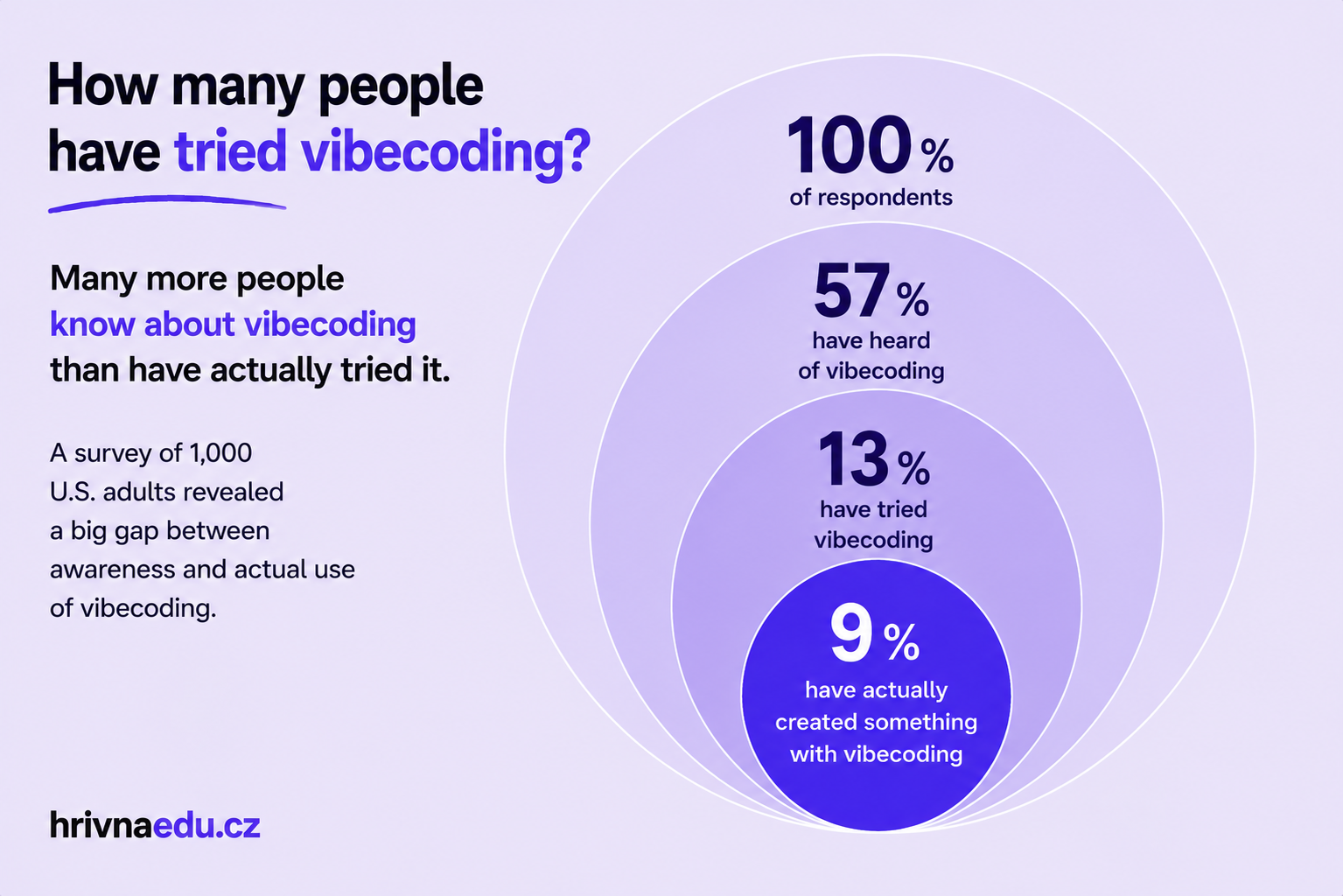
That gap between 57 and 13 percent is, in my view, the most interesting number in the survey. It's talked about far more than it's actually used.
For developers it's a different world. According to the latest Stack Overflow Developer Survey, the largest poll of programmers in the world, 84 percent of them use AI tools or plan to. There it stopped being a trend long ago and became the standard.
And how are we doing in Czechia? Unfortunately I can't tell you, because nobody here measures it. According to this year's Deloitte survey, 78 percent of Czechs use AI at least occasionally, but how many of them have had their own app built, nobody knows.
So all I can offer is my own experience. I started with a variation on Snake. Along with Tetris, Snake is what almost everyone who has been anywhere near programming works through at university. Except there you spend several evenings on it. Building your own version in five minutes is quite a different experience. And what I enjoyed wasn't that the AI managed it. What I enjoyed was that the game was exactly the way I wanted it.
What you build it with
There are plenty of tools today, and they split into two groups.
The first runs in the browser and targets people without technical training. You write what you want, and a few minutes later you're looking at a working page or app. This is mainly Lovable and Bolt, both with a free tier you can try out in an afternoon. This is where to start.
The second group lives in a code editor or straight in the command line and assumes you at least have an idea what's going on under the hood. The most widespread is Cursor, alongside Claude Code, GitHub Copilot or Windsurf. Prices start at around ten dollars a month.
Browser tools are excellent as long as you want something ordinary. The moment the brief steps out of line, you hit a ceiling.
The other side of the coin
This spring, the Israeli security firm RedAccess went through over 380,000 publicly accessible apps built this way. Its findings were reported by Axios. Around five thousand of them had sensitive data sitting out in the open. Medical records including conversations with patients, internal bank information, clinical trial details. Most of their creators had no idea the data was accessible to anyone with the link.
It isn't the failure of one particular tool. AI does exactly what you asked it to, but doesn't ask who is supposed to see it.
Developers' own experience confirms it. In that Stack Overflow Developer Survey, only three percent of them say they really trust AI-written code. Two thirds are most frustrated by a result that is "almost right, but not quite". And nearly half of them are held up by how time-consuming it is to debug AI-generated code.
And there's one more trap, which I came across recently on LinkedIn. The worst thing is to set AI loose on something you don't properly understand yourself. The output always sounds confident, but with AI the question isn't whether it will make a mistake, only when. And if you're not at home in that field, you have nothing to catch it with. The usual objection is that AI does eighty percent of the work well, so that's enough. But what if it's forty? Someone who can't judge the result can't judge that number either.
Where the line is
A simple rule follows from this. Vibe coding is excellent for things used by you or a handful of people around you, where nothing happens if it falls over once. A calculator, a converter, an overview of your own data, a prototype to show colleagues.
The moment strangers or customers' personal data enter the picture, you're in a different league. Not that AI code is automatically bad. But in production you need someone who knows what to look for.
Conclusion
Vibe coding is, in my view, the best ticket into the world of AI that an ordinary person has today. Not because it turns you into a programmer. Rather because it doesn't give you software, it gives you your software. Exactly the way you want it, without the compromises you're used to making with finished tools.
My take? Try it. But make the first project something that doesn't matter. Definitely not your customer database. That's exactly the difference between a pleasant discovery and a mess you find out about when a stranger calls you.